Your wedding invitations are more than just a piece of mail. They set the tone for your entire celebration and give your guests their first real glimpse into what your wedding day will feel like. As simple as it may seem, there are a few key details that can make or break this part of the planning process. Before you drop your invites in the mail, here are six important things to keep in mind.
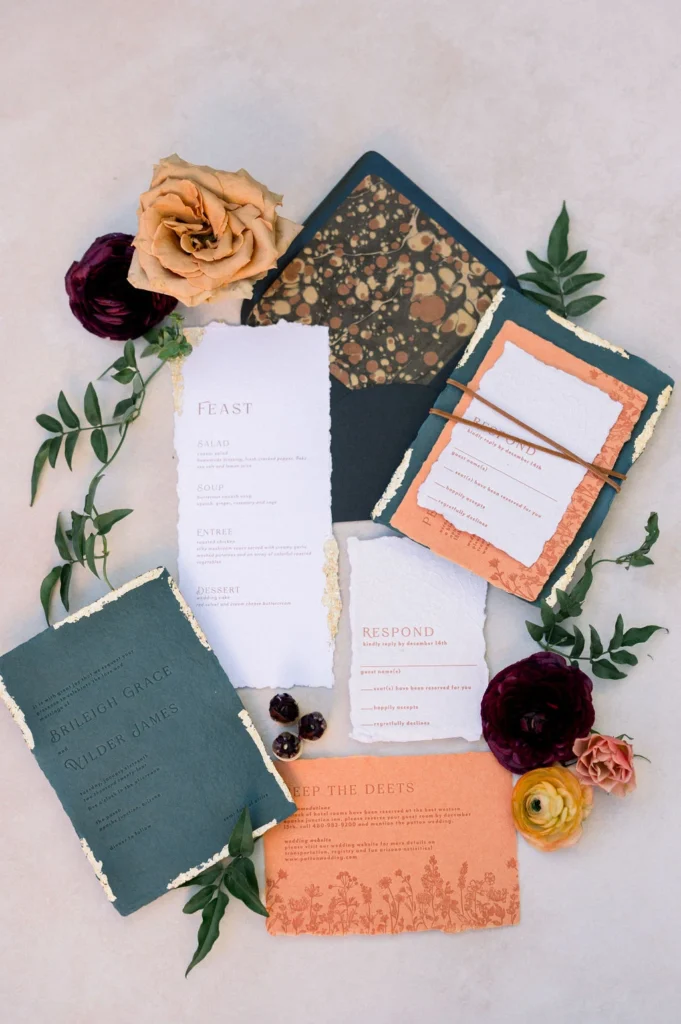
1. Timing Matters More Than You Think
When it comes to mailing your invitations, timing is everything. Ideally, invitations should be sent out 10 to 12 weeks before your wedding day. If you have a large number of out-of-town guests, lean closer to that 12-week mark to give them plenty of time to make travel arrangements.
It’s also important to think about the time of year. December is not ideal, as your invitations can easily get lost among holiday cards and packages. If you’re planning a spring wedding, it’s best to wait until after the New Year to send them. Otherwise, aim for November to ensure they arrive at a time when guests are more likely to notice and respond.
Just as important as not sending them too late is avoiding sending them too early. Mailing your invitations too far in advance can actually create more problems than it solves. Guests may RSVP right away, but as the wedding date gets closer, plans change and you’ll likely see more fluctuations in your guest count. This can lead to confusion, extra follow-ups, and unnecessary stress as you try to track updated responses. Sticking to that 10 to 12 week window helps keep responses more accurate and manageable.
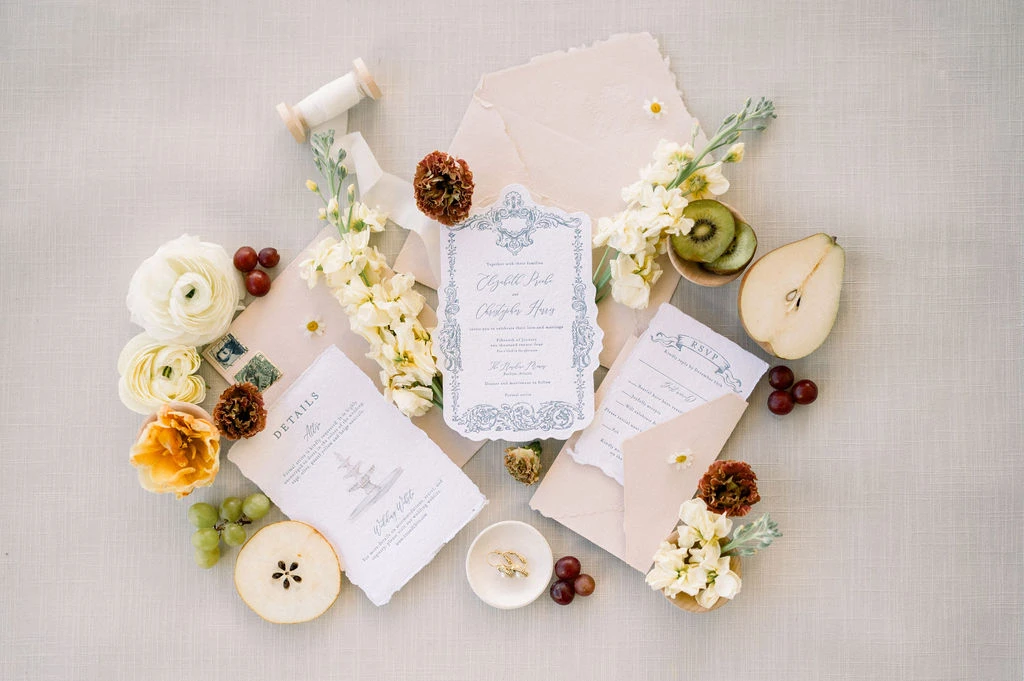
2. Set Your RSVP Date Strategically
Your RSVP deadline should not be random. A good rule of thumb is to set it for about 40 days before your wedding. This allows you to gather responses while still giving yourself enough time to finalize details.
Most florists, rental companies, and caterers will require final guest counts around 30 days before the wedding. By setting your RSVP date earlier, you build in a 10-day buffer to follow up with guests who forget to respond. And trust me, there will always be a handful of people who open the invitation, mentally RSVP, and never actually send it in.
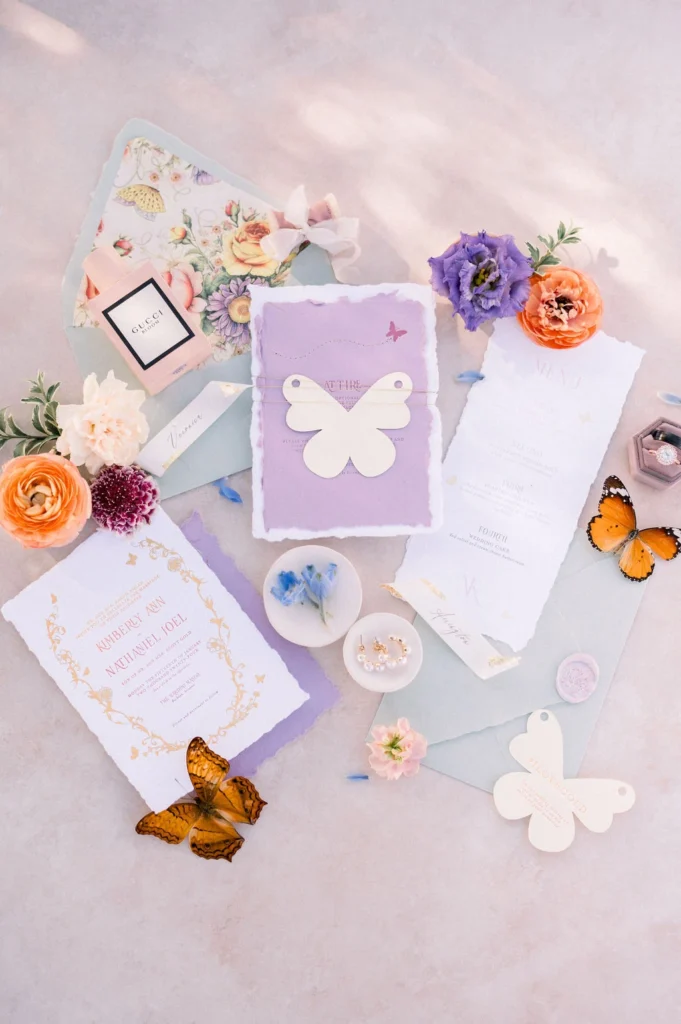
3. Consider Hand Canceling Your Invitations
Hand canceling is a small detail that can make a big difference. When you bring your invitations to the post office, you can request that they be “hand canceled,” which means they are processed manually rather than going through the standard sorting machines.
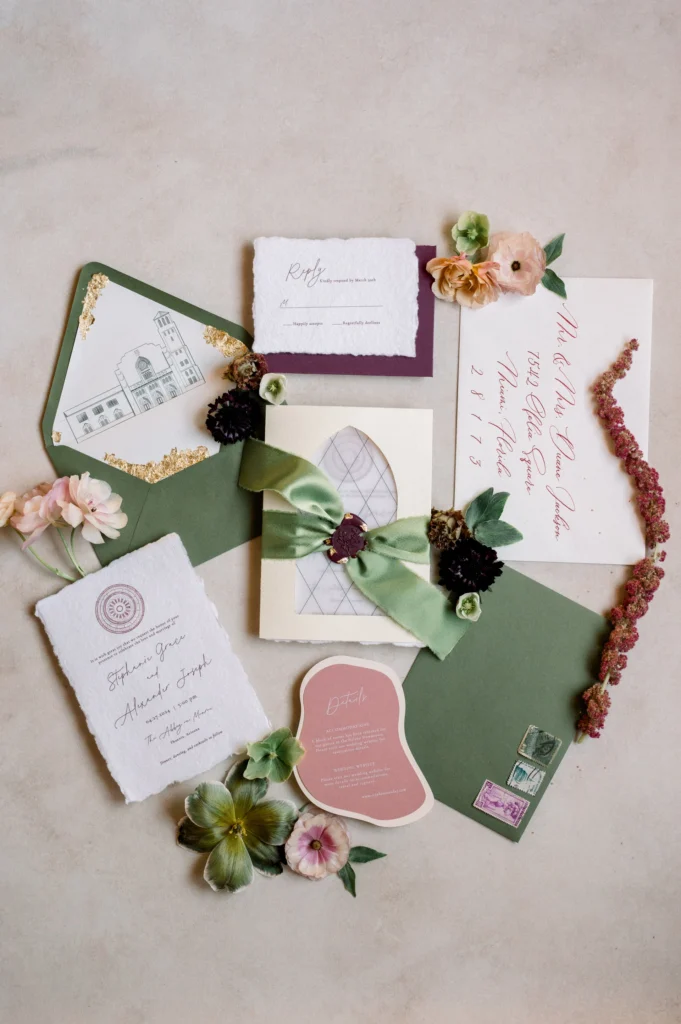
This helps prevent damage, especially if your invitations include wax seals, ribbon, or delicate design elements. It also gives your envelopes a cleaner, more polished look since they won’t have heavy machine markings across the front. While it may take a little extra time, it’s worth it to protect your investment.
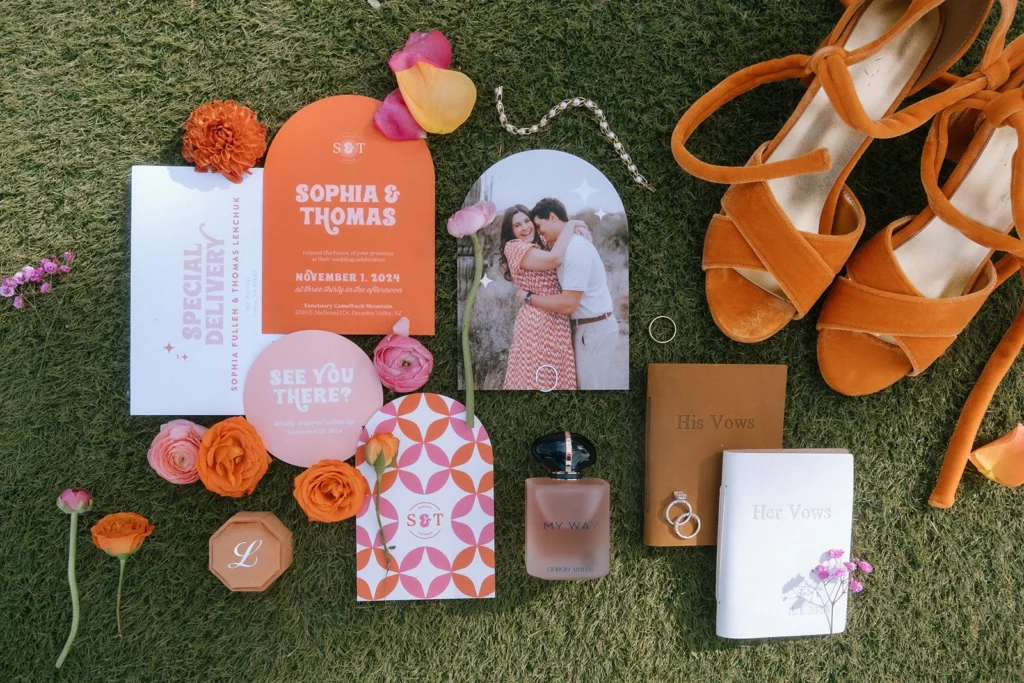
4. Always Weigh Your Invitations for Postage
One of the most common mistakes couples make is assuming standard postage will cover their invitations. Once your suite is fully assembled, including envelopes, inserts, and any embellishments, take a sample to the post office to have it weighed.
This ensures you’re using the correct amount of postage. Nothing is more frustrating than having your invitations returned because they were underpaid. Taking this extra step ahead of time will save you stress and delays.
5. Be Intentional About How You Address Them
How you address your invitations matters more than you might think. It clearly communicates who is invited and helps avoid any confusion.
For example, if you are hosting an adults-only wedding, avoid addressing invitations to “The Smith Family.” Instead, use “Mr. and Mrs. John Smith.” If a guest is allowed to bring a plus one, make that clear by addressing it to “Ms. Sarah Smith and Guest.” These small details set expectations and help prevent awkward misunderstandings later on.

6. Include the Right Information
Your invitation should be beautiful, but it also needs to be informative. At a minimum, be sure to include the date, time, and location of your wedding. You should also clearly state the dress code and note if your event is adults-only, if applicable.
Don’t forget to include your RSVP deadline and a way for guests to respond. Many couples are now directing guests to a wedding website or including a QR code where they can RSVP and find additional details like accommodations, schedules, and FAQs.
Mailing your wedding invitations may feel like a simple task, but the details truly matter. By planning ahead and being intentional with each step, you’ll create a seamless experience for your guests and set the tone for a well-organized, thoughtful wedding day.